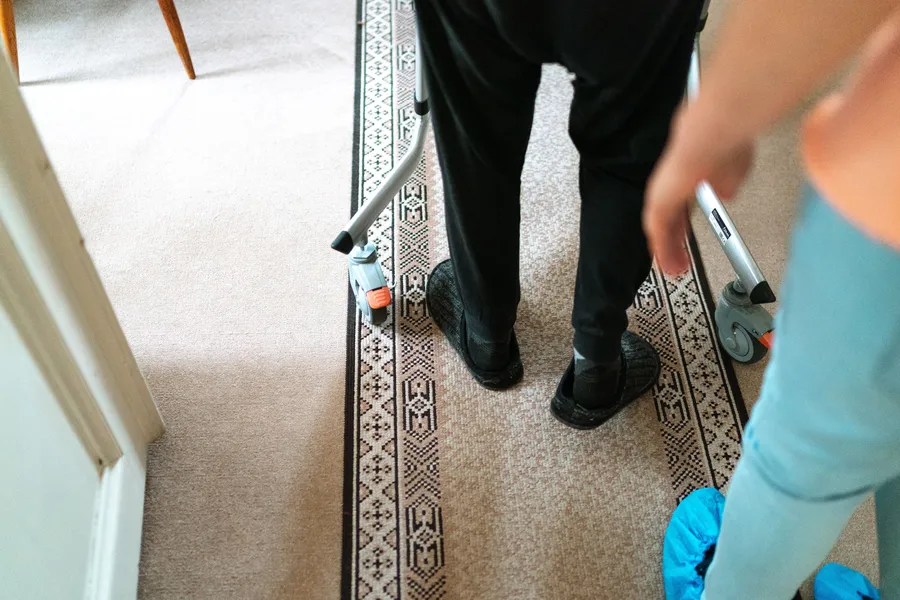
Taking care of a loved one who needs assistance due to an illness, injury, aging, or declining health can be rewarding. But it’s also challenging to manage all the ways you need to meet their needs, from bathing, dressing, and feeding them to managing their medications and doctors’ appointments. That’s why caregiver burnout is very common. In fact, according to the Cleveland Clinic, studies show that 60% experience symptoms of physical, mental, and emotional exhaustion over time.
In observance of National Family Caregivers Month, it’s important we share the signs of caregiver burnout — and ways to prevent it.
Signs of caregiver burnout
Everyone experiences caregiver burnout differently. And you may have only a few signs or many. Recognizing the signs is the first step in addressing issues.
The experts at John Hopkins Medicine categorize symptoms of caregiver burnout this way:
- Depression, such as feelings of sadness, helplessness, or hopelessness
- Negative emotions, such as anger, frustration, irritability, or lowered self-esteem
- Personal health problems, such as frequent illnesses, headaches, stomachaches, or body aches
- Physical fatigue, such as persistent lack of energy and focus and sleep deprivation
- Withdrawal from family, friends, and activities
As a caregiver, you may begin to feel resentful of the person you care for or even want to hurt them. If that happens, it’s crucial to reach out to a mental health professional for help right away. If you feel suicidal, please call 911 or call or text 988 to reach the Suicide and Crisis Lifeline.
Causes of caregiver burnout
According to the Cleveland Clinic, many things can contribute to caregiver burnout — and both feeling overwhelmed and setting aside your own needs typically play a role.
Causes of caregiver burnout include:
- All-consuming focus: The responsibilities of caregiving can take over your life. Caregivers can neglect their own health and wellbeing. You may not even recognize that you’re burned out.
- Excessive demands: Caregivers don’t only manage the needs of the person they’re caring for. They’re also responsible for themselves, their own family, work, finances, and more.
- Lack of control: Sometimes, a person’s condition worsens, or they die, despite everything you have done as a caregiver. That can feel frustrating and discouraging.
- Ongoing stress: Finances, family dynamics, and unexpected problems exacerbate the constant stress of caregiving.
- Role confusion: It can feel uncomfortable to take on a new role as a caregiver when you’re used to being a spouse, child, or friend of the person you’re caring for.
Preventing and treating caregiver burnout
Caregivers typically dedicate themselves fully to supporting their loved one. But as responsibilities increase or pressures mount, the burden can become overwhelming. Without a break or additional support, caregivers can suffer.
Many of the same recommendations apply for both preventing and treating caregiver burnout. Consider trying one or more of the following suggestions:
Accept your feelings
It’s normal to feel a range of emotions as a caregiver, from gratitude to grief. That doesn’t make you a bad person. Acknowledge and process your feelings without judgment. If they are extreme, however, seek support from a mental health professional.
Ask for help
It may feel like you’re the only person who can be the caregiver, but no one can do everything alone. Ask others to run errands, help with the housekeeping, take on a caregiving shift, or whatever would be helpful to you. People often will assist if they know you have a need.
Find personal support
Talk to a trusted friend, clergy member, or mental health professional to cope with your feelings. Or join a caregiver support group to be part of an empathetic community.
Take care of yourself
To care for someone, you must prioritize your own health first. Eat healthy meals, exercise, and make sure to get enough sleep. Take time each day to do something that recharges you. Even just 20-30 minutes helps.
Use respite care or local services
When possible, take advantage of local resources. These include adult day care or support organizations like the Family Caregiver Alliance. Home health services also provide professional caregivers for respite care so you can take a break.
Caregiving is an important responsibility and a privilege. Many of us will likely be a caregiver at some point. Being aware of caregiver burnout can make a difference.
The Care Team understands the challenges of caregiving. Our team offers compassionate support. Please contact us to learn more.